I am a Professor of History at Indiana University of Pennsylvania, where I teach Ancient and Medieval History, Classical Archaeology, and Digital History. I currently serve as Chair of the Department of History, Philosophy, Political Science, and Religious Studies. My scholarship explores the interconnected world of the ancient Mediterranean, with particular attention to trade, ceramics, and the ways material culture reveals patterns of economic and cultural exchange.
At the center of my work is a simple but enduring question: How were ancient societies connected?
Biography
I grew up on the coast of North Carolina, surrounded by water. Swimming, fishing, and water skiing were part of daily life, and from an early age I was fascinated by the sea—not just as a landscape, but as a medium of connection. Long before I understood it in scholarly terms, I was drawn to the idea that coastlines were not boundaries but bridges.
I began my undergraduate studies at the University of North Carolina at Chapel Hill intending to pursue medicine. That plan changed quickly. A course in Classics redirected my path, and I completed a B.A. with an emphasis in Classical Archaeology. During my senior year, I earned scuba certification and moved naturally into graduate study in Maritime History and Underwater Archaeology.
Working underwater strengthened my interest in the ancient world, but it also clarified something deeper: my intellectual curiosity was less about shipwrecks themselves and more about the broader historical systems that produced them. That realization led me to The Ohio State University, where I earned a Ph.D. in Ancient History in 2000, focusing on Rome and the wider Mediterranean economy.
In 2002, I joined Indiana University of Pennsylvania. Soon after arriving, I began working toward a long-standing goal—to build a collaborative archaeological project in Cyprus that would investigate trade and connectivity in the eastern Mediterranean.
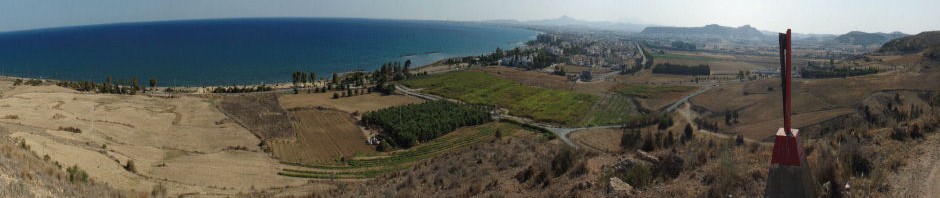
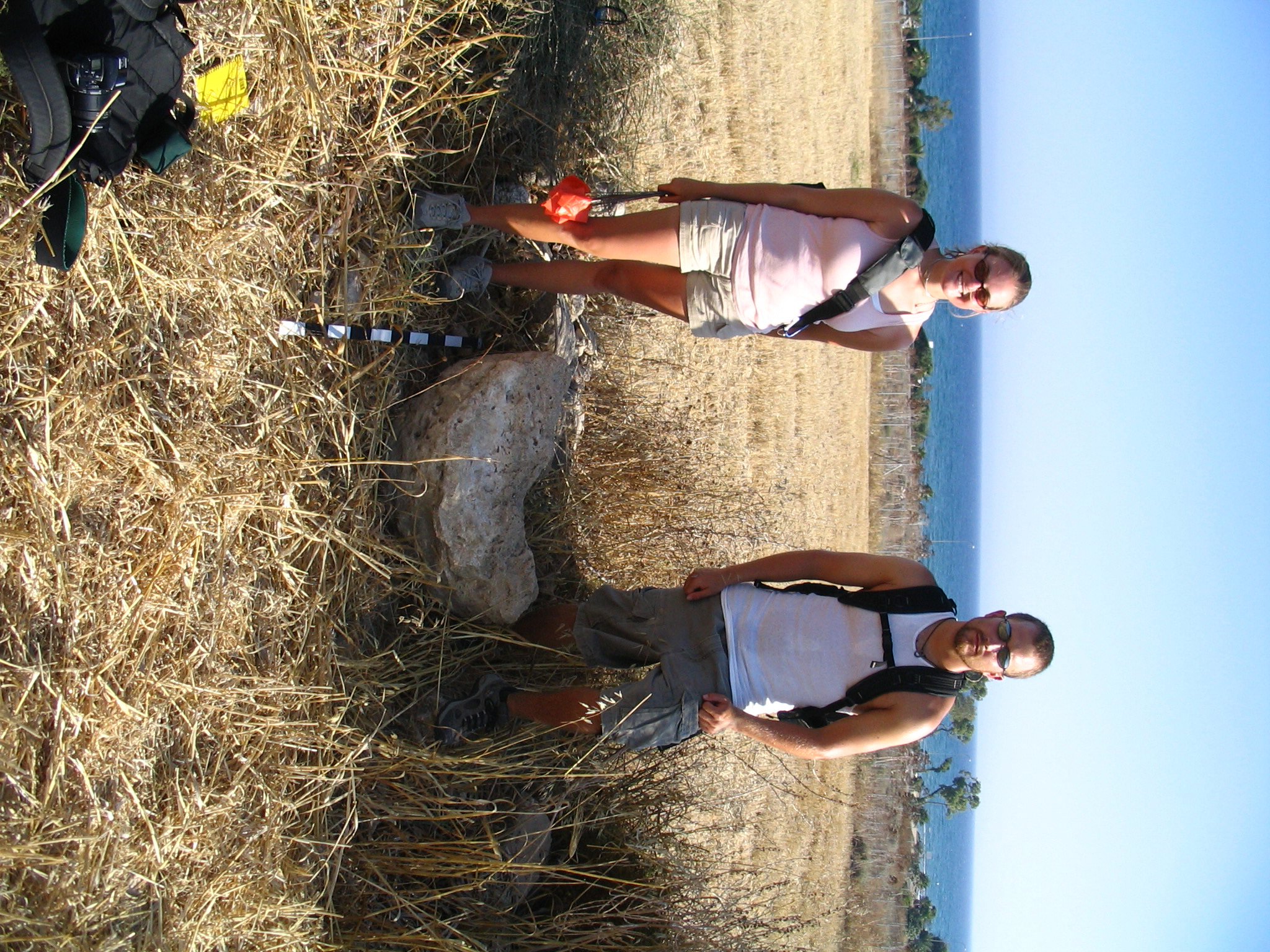
In partnership with William Caraher (University of North Dakota) and David K. Pettegrew (Messiah University), I co-founded the Pyla-Koutsopetria Archaeological Project (PKAP). Beginning in 2004, PKAP grew from a six-person exploratory effort into an international research team of more than thirty-six scholars and students. The project examined how a coastal settlement in southern Cyprus participated in broader Mediterranean exchange networks from antiquity through Late Antiquity.
Over nearly two decades, PKAP became both a research initiative and a field school. Twenty-four IUP undergraduate and graduate students participated in the project, gaining hands-on archaeological training while contributing to original scholarship. Fieldwork concluded in 2022, and the project has since entered a new phase under new leadership, focusing on Hellenistic fortifications at Vigla.
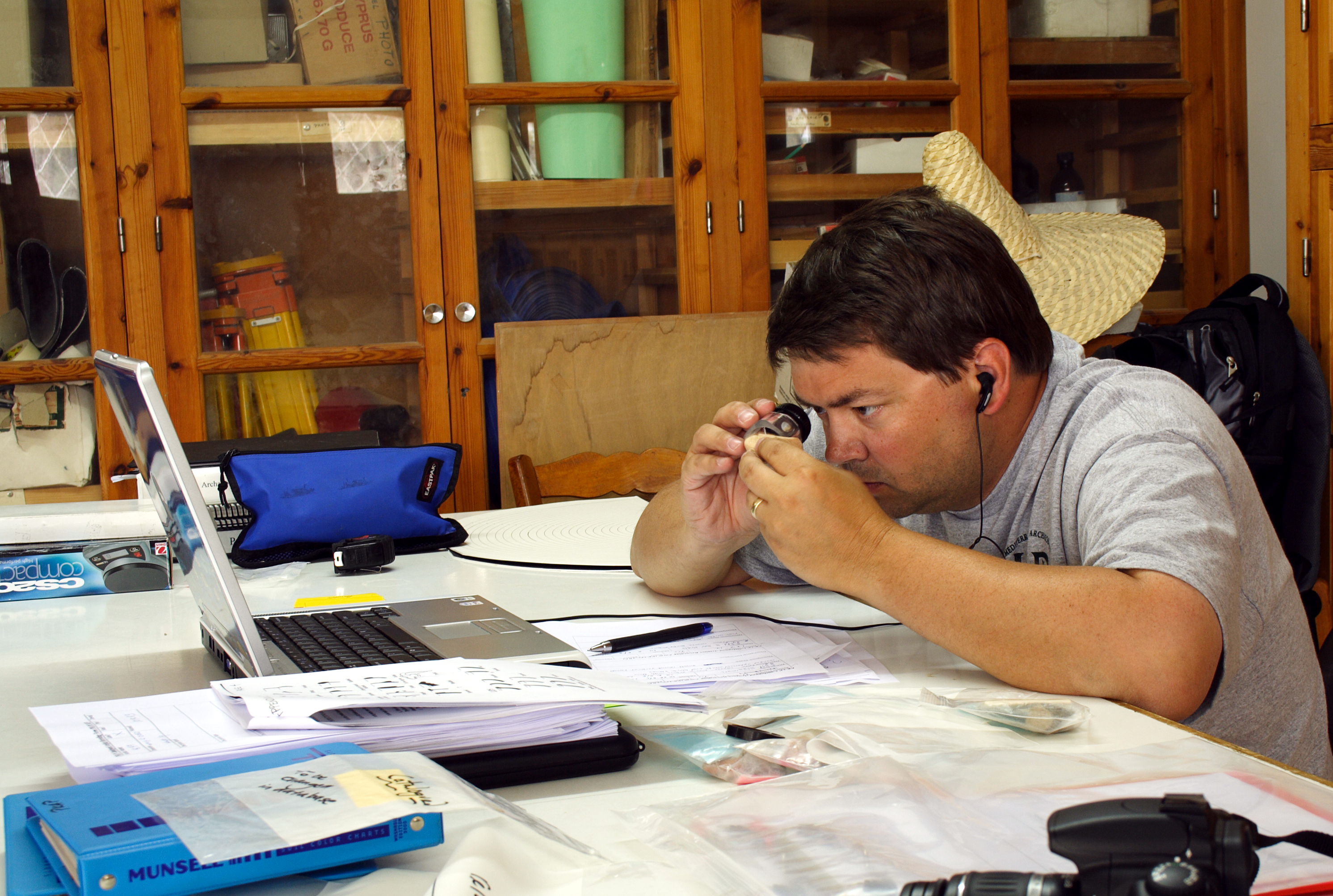
Beyond PKAP, I have worked with multiple excavation and survey teams in Cyprus and Greece, with a particular focus on Hellenistic, Roman, and Late Roman ceramics. Ceramics may seem humble objects, but they are among the most powerful tools historians possess. They allow us to trace trade routes, economic shifts, and regional integration across centuries. My research examines how these materials illuminate the lived realities of commerce and connectivity in the ancient Mediterranean.
Alongside my research, I have remained deeply committed to teaching and academic leadership. At IUP, I teach courses that span the ancient and medieval worlds, as well as digital methodologies that help students engage critically with emerging technologies. As department chair, I work to support faculty research, mentor colleagues through promotion and tenure, and guide interdisciplinary collaboration across the humanities and social sciences.
Whether in the classroom, the field, or administrative leadership, my work centers on building connections—between past and present, between disciplines, and between students and the wider world of historical inquiry.
 R. Scott Moore